
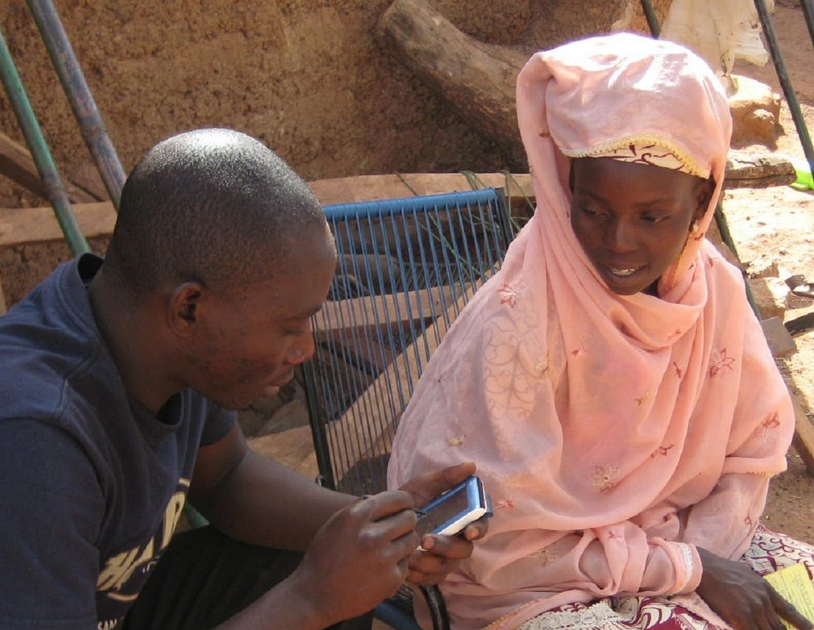
Artificial Intelligence as a tool to help identify skin Neglected Tropical Diseases
Primary care workers correctly diagnose skin diseases 30 to 40% of the time. An AI-powered WHO app is working to change that.
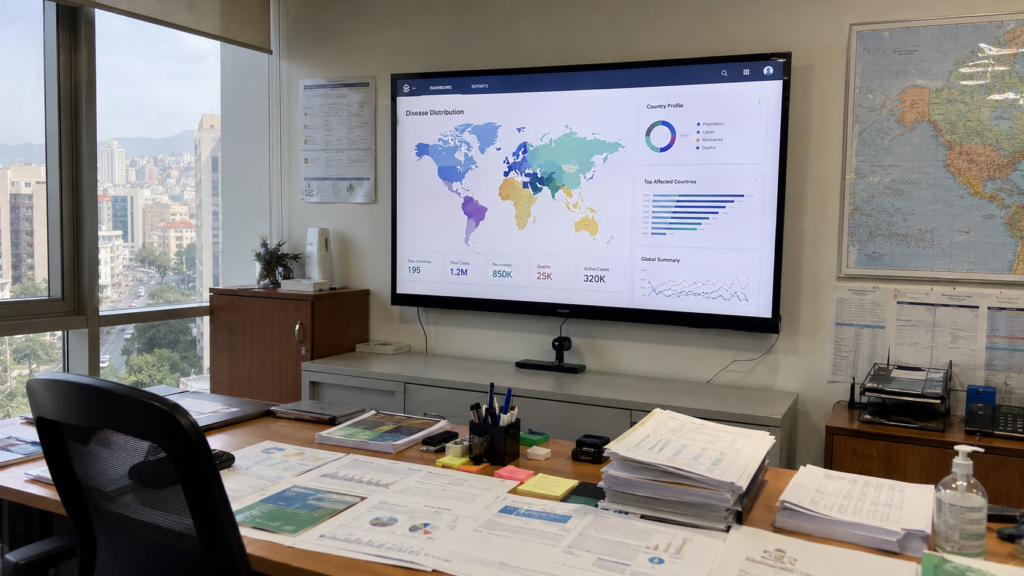
Leishmaniasis country profiles: putting surveillance data to work for a billion people at risk
A billion people at risk, most cases undiagnosed. How WHO is using DHIS2 to track leishmaniasis country by country for the first time.
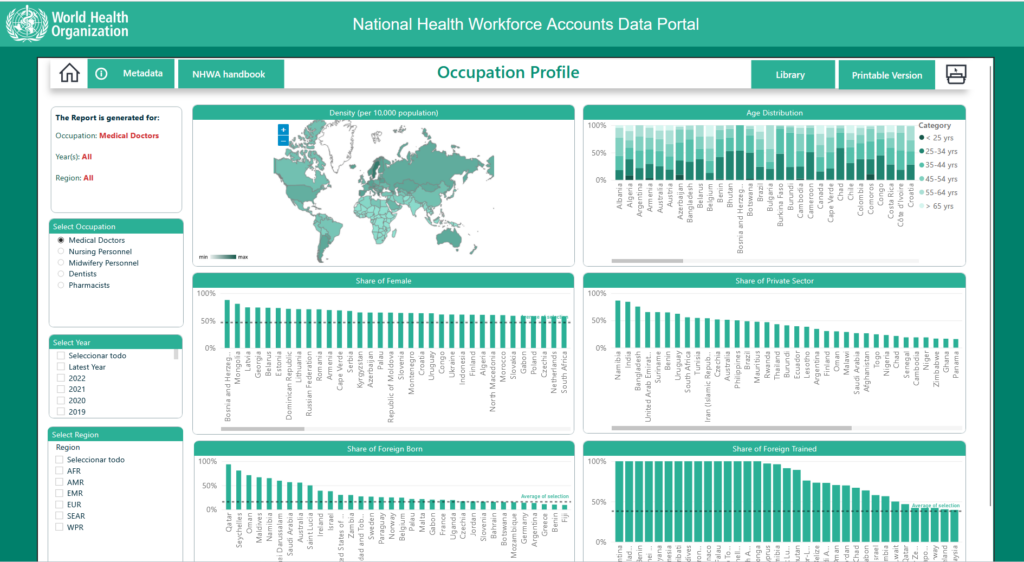
WIDP: How nine WHO departments ended up sharing the same data platform
Nine WHO departments, 150 countries, 10 million data values. The story of how WIDP became WHO’s preferred health data platform.

EyeSeeTea 2024 highlights
Excerpt:
More than 20 active projects, one app competition win and a team spread across 10 countries. Everything EyeSeeTea built and learned in 2024.

What does healthcare access actually look like across Europe and Central Asia? UHC Watch has the data
Ten years of health financing evidence from 40 countries, turned into a public platform anyone can use. This is UHC Watch.
How does a company that gives away almost all its code survive? Ten years of EyeSeeTea
Ten years giving away almost all our code and still standing. How EyeSeeTea makes open source a business without compromising on working hours or ethics.
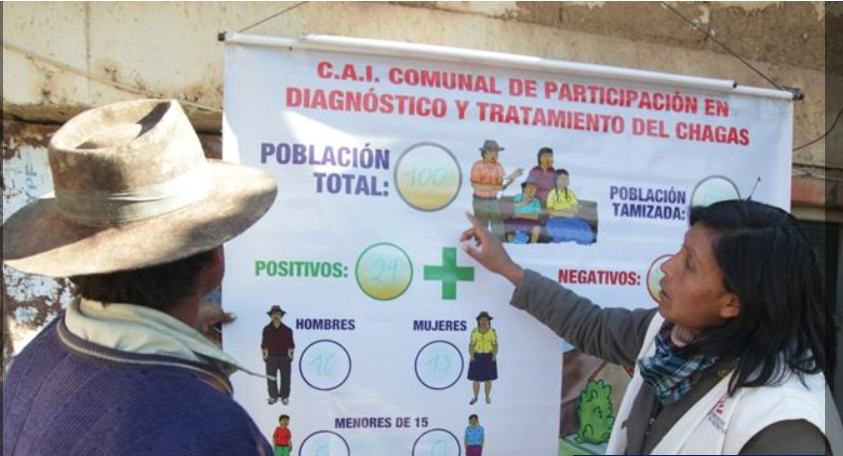
An award for the fight against Chagas, breaking the silence together
A Trifermed award for twenty years of fighting Chagas disease, and the open source data platform that supports the battle.
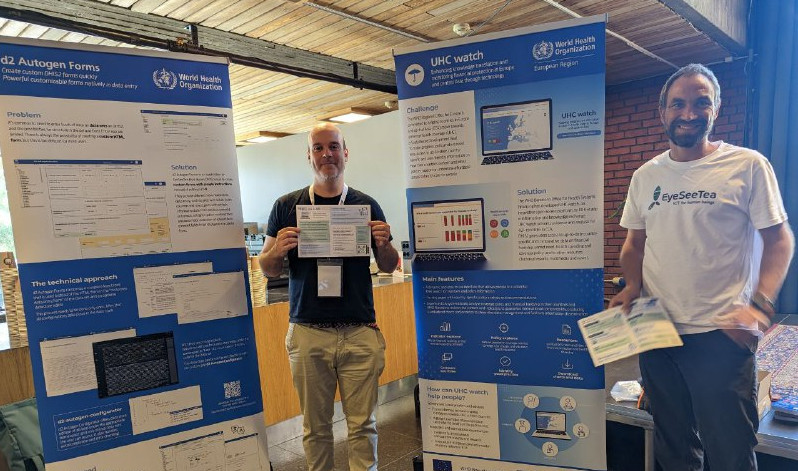
2024 DHIS2 Annual Conference: EyeSeeTea highlights
First place at the DHIS2 App Competition, three posters, two community awards and a year’s worth of feedback. Oslo delivered.
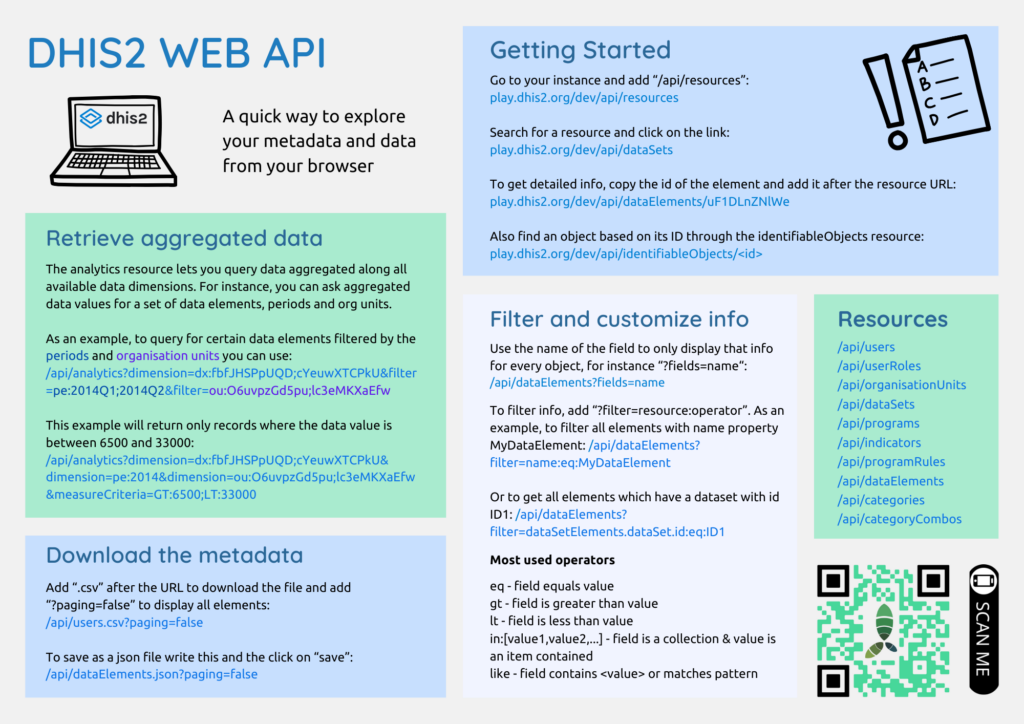
A DHIS2 API cheatsheet for everyday use
The DHIS2 Web API is more powerful than most people realise. A practical cheatsheet to start querying your data from the browser today.
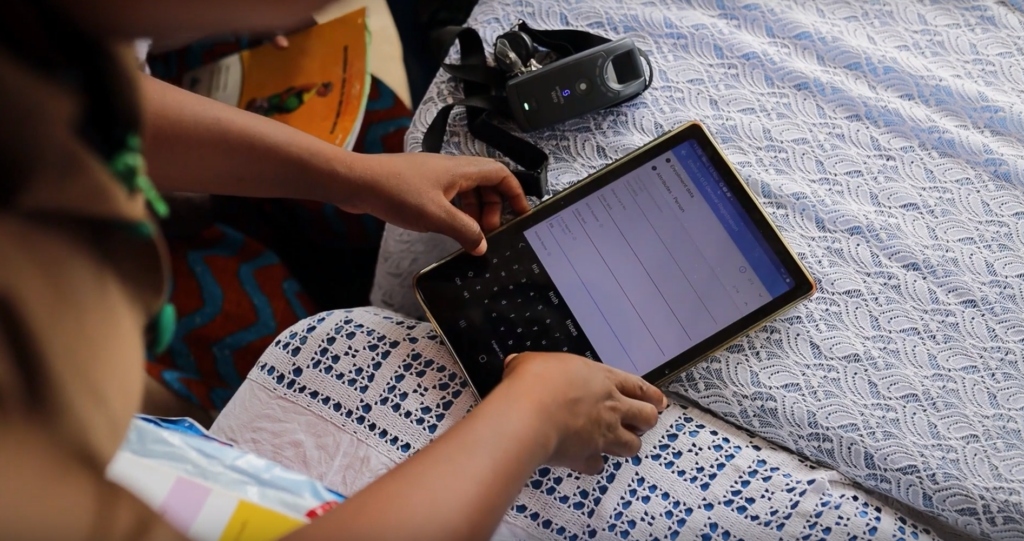
The malaria vaccine takes four doses. In rural Ghana, biometrics is how we track them all
850 million people lack formal ID. In Ghana, biometrics and DHIS2 are making sure every child gets every dose of the malaria vaccine.