
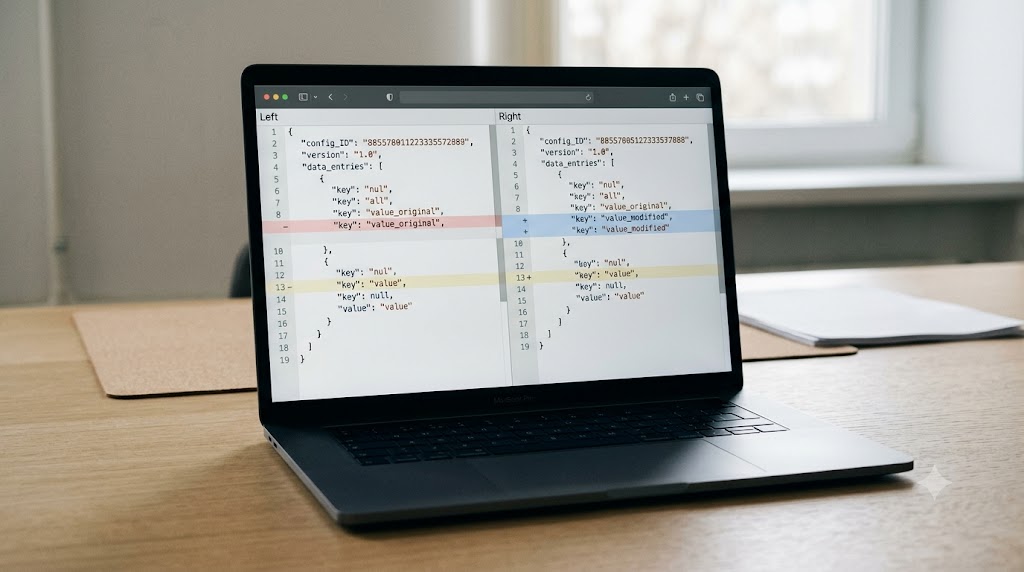
Metadata Comparator: managing DHIS2 metadata doesn’t have to feel like solving a 10,000 line puzzle
Two DHIS2 instances, one metadata change, a 10,000-line JSON file. The tool that makes comparing and merging metadata actually manageable.
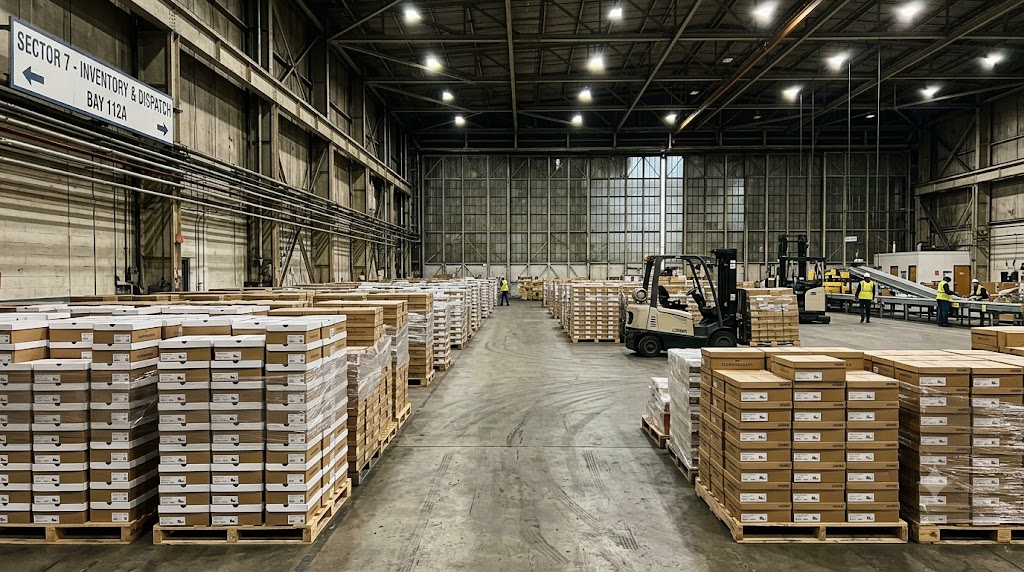
Kindness, supported by technology: Operation Christmas Child
220 million shoeboxes, 170 countries, and one DHIS2 app keeping the whole operation running. The technology behind Operation Christmas Child.
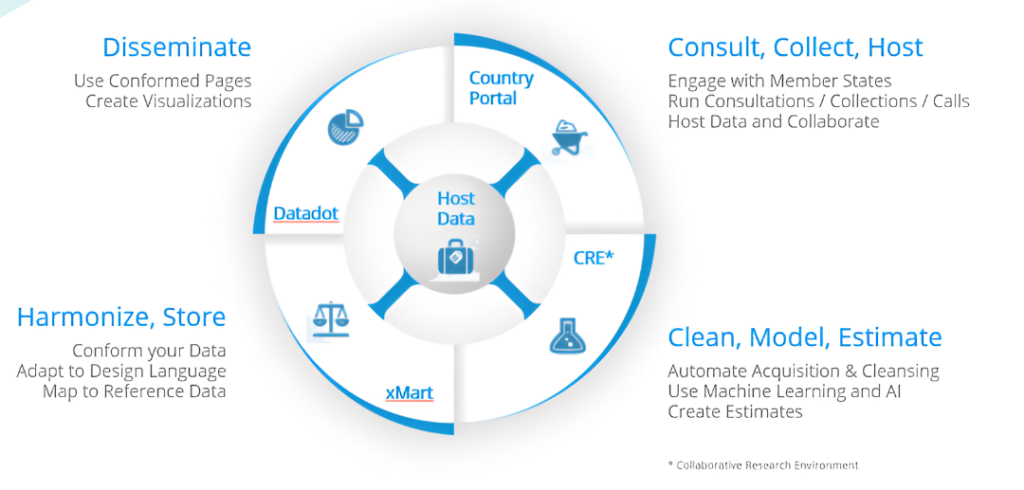
xmartDHIS2: A DHIS2 interoperability experience
DHIS2 data was getting stuck inside DHIS2. The app EyeSeeTea built for WHO moves it seamlessly into their corporate data ecosystem.
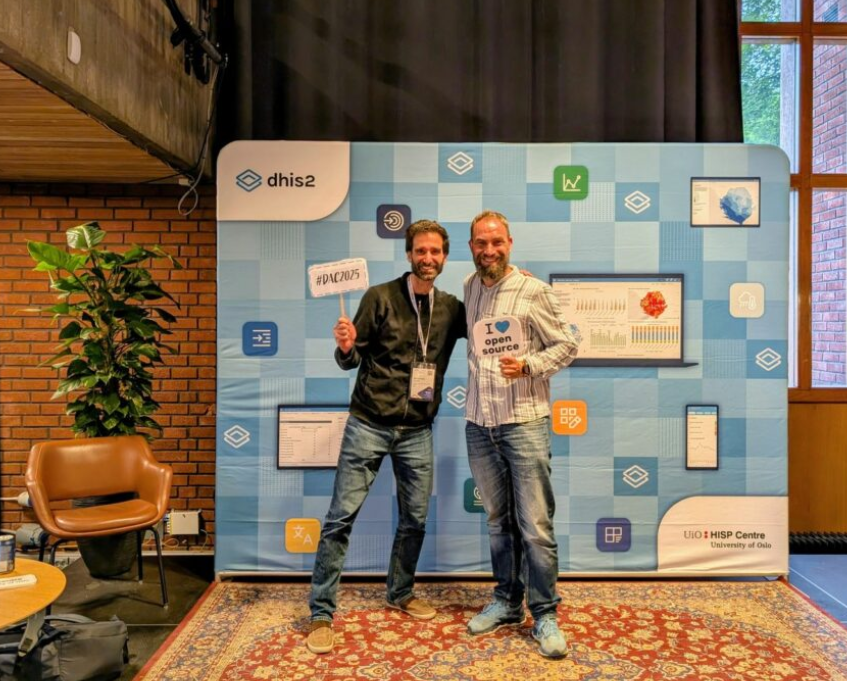
2025 DHIS2 Annual Conference – Highlights from EyeSeeTea
One poster, one award, one invitation to the Core Contributing Partners programme. Oslo delivered again for EyeSeeTea at DAC2025.
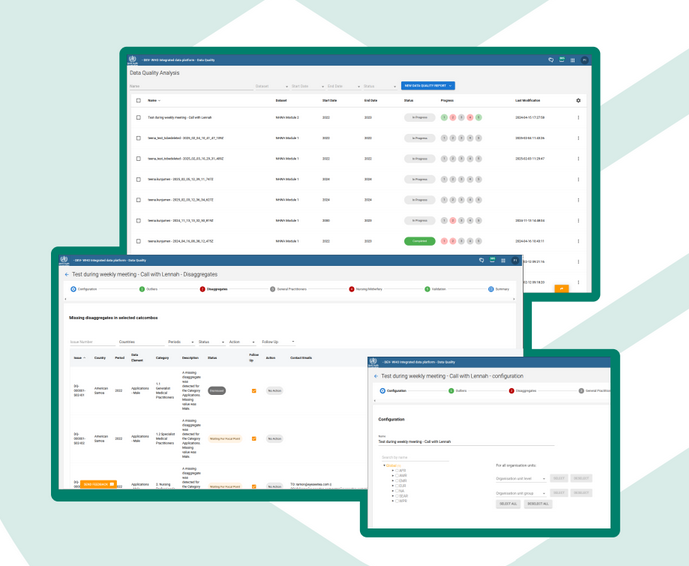
NHWA Data Quality App: better data for better health workforce planning
Health workforce planning depends on reliable data. The DHIS2 app EyeSeeTea built for WHO automates validation across countries and cuts the manual workload.
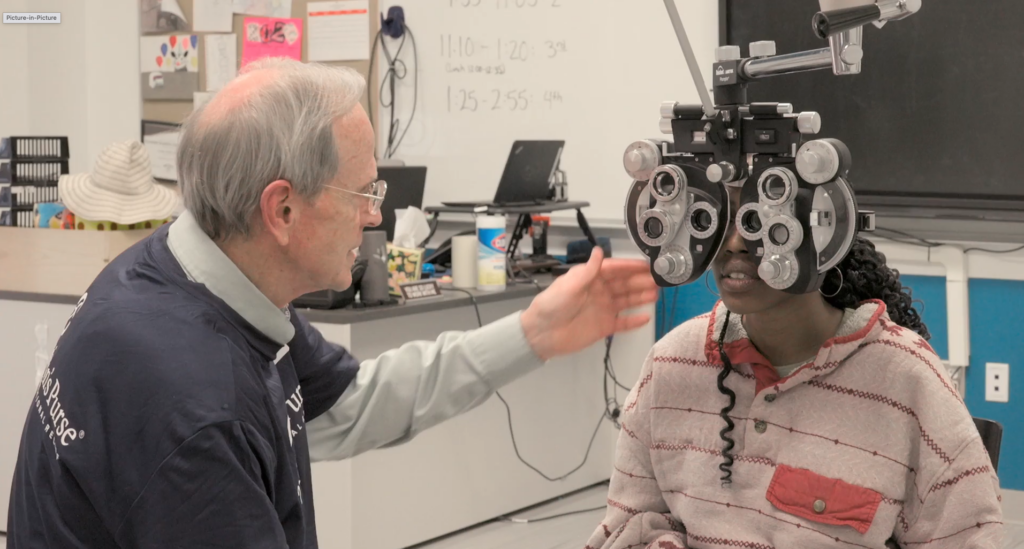
Making a Difference with Technology: EyeSeeTea’s work with Samaritan’s Purse
From shoebox logistics to field hospital data, four DHIS2 applications built for Samaritan’s Purse across 31 countries and 14 programme sectors.
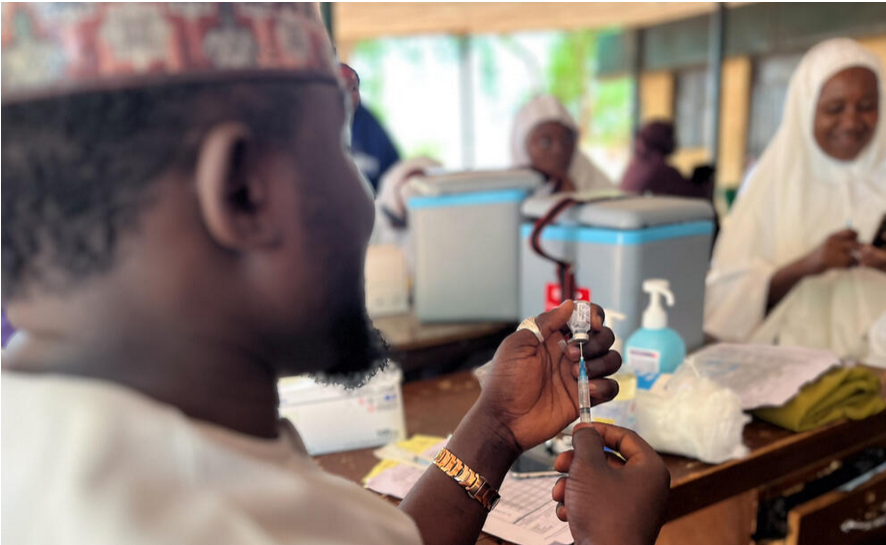
EyeSeeTea & Médecins Sans Frontières: building DHIS2 solutions for humanitarian missions
A decade of DHIS2 solutions for MSF, from vaccination campaigns in conflict zones to infrastructure support at headquarters in Geneva.
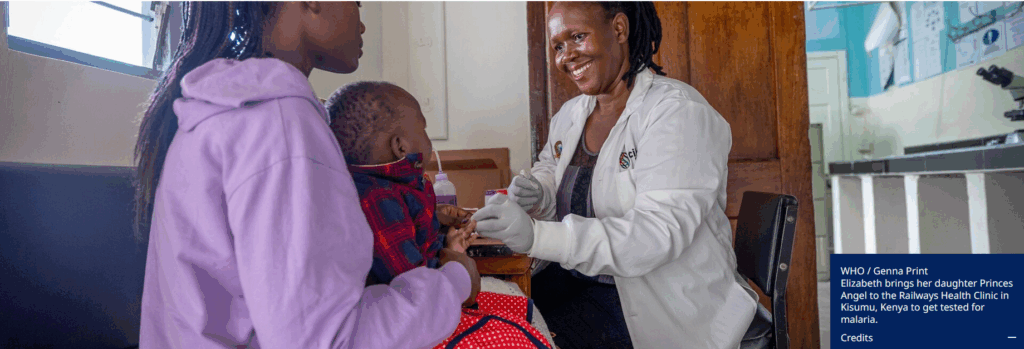
Empowering global health with data: DHIS2 & the World Malaria Report
Over 100 countries report malaria data to WHO every year. Here is the platform we built to make that process reliable and consistent.
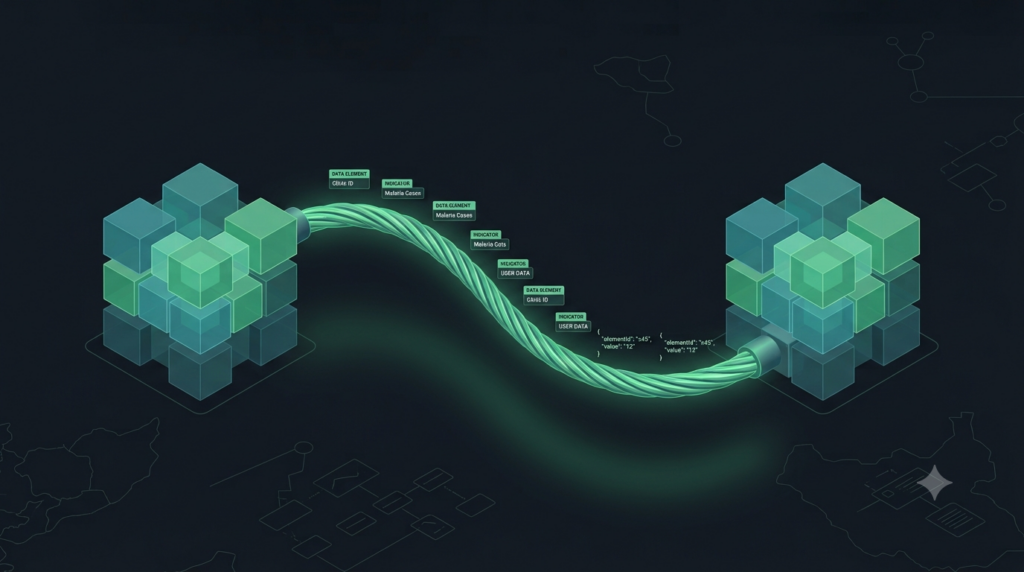
MetaData Sync: The metadata & data synchronisation solution for DHIS2
Keeping metadata consistent across DHIS2 instances is one of the hardest operational challenges. This is the app that solves it.
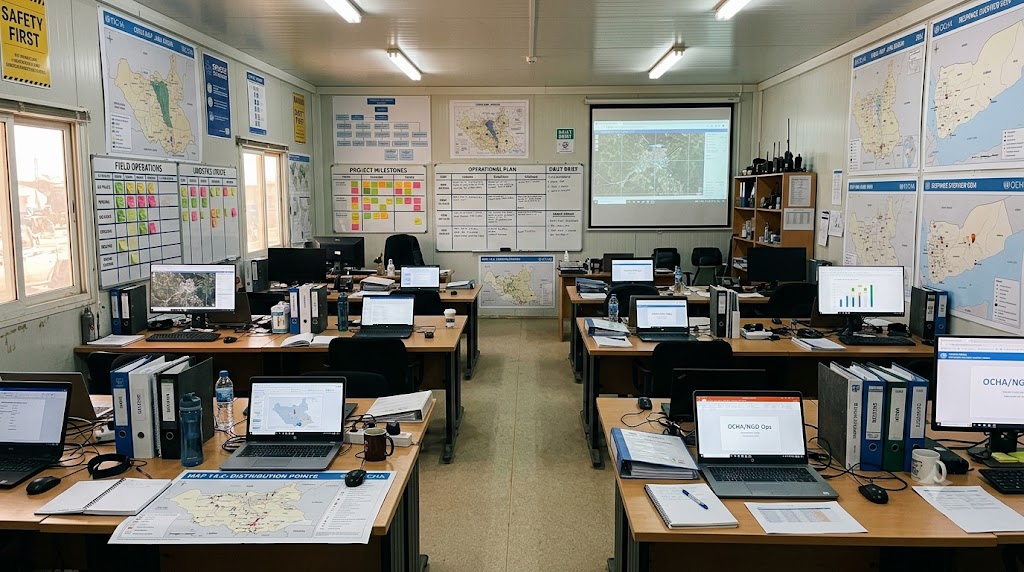
Tracking thousands of humanitarian projects across 30 countries, with Data Management App
Thousands of humanitarian projects across 30 countries, all tracked inside DHIS2. The custom app EyeSeeTea built for Samaritan’s Purse.