
More than 20 active projects, three awards at the DHIS2 Annual Conference, a Trifermed recognition for work we have been invested in for years, a new public identity for our DHIS2 Suite, and a team that finished the year at 24 people across 10 countries. 2024 was a year worth looking back on.
DAC2024: first place and three awards
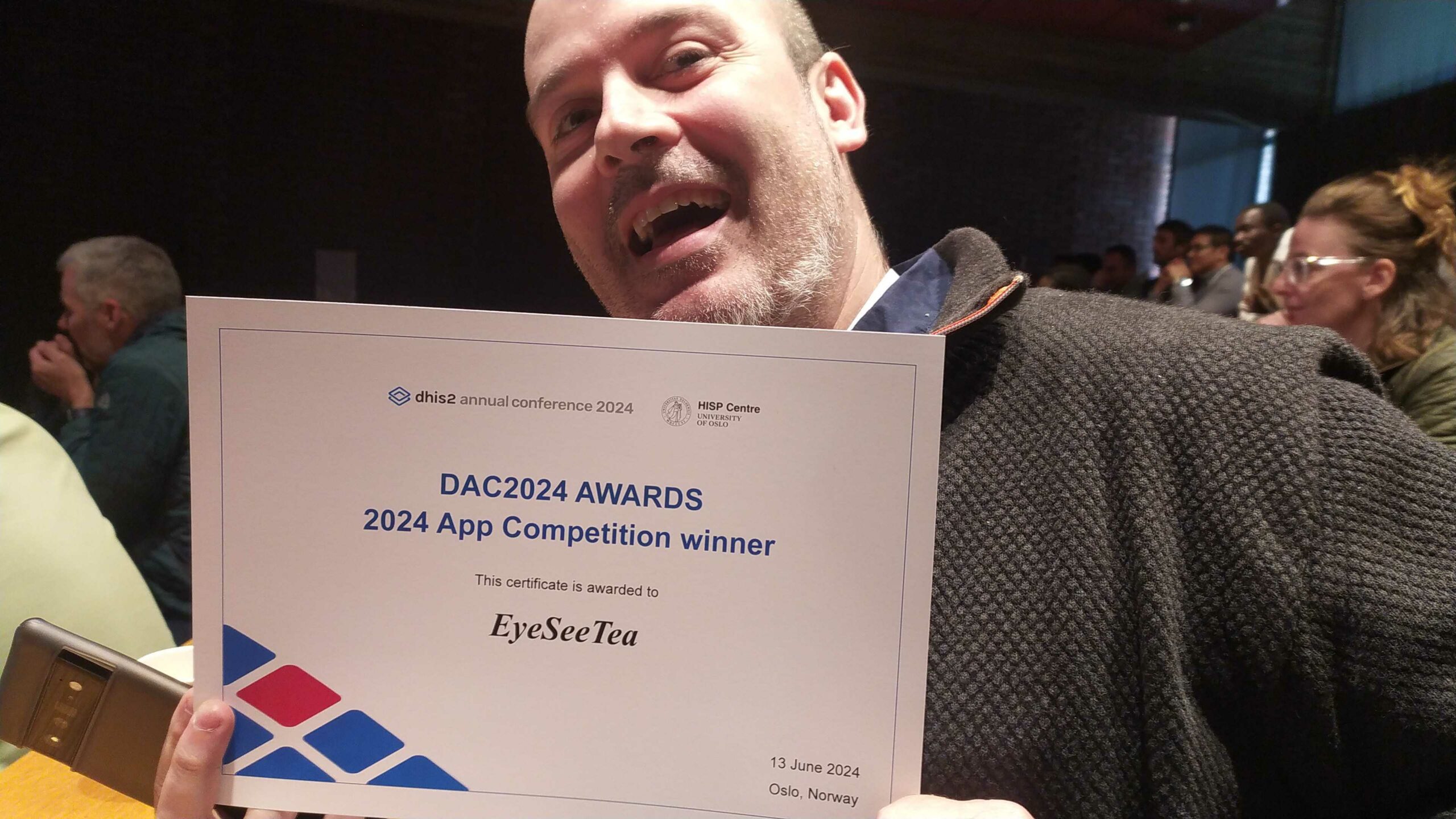
The standout moment of the year came in Oslo. Metadata Sync won the 2024 DHIS2 App Competition, the annual event that brings the global DHIS2 community together to recognise the best contributions to the ecosystem. We also presented three posters and spoke in two sessions, and came back with two additional community awards: most active on social media and Community of Practice activity winner.
The most valuable part, as always, was the feedback. Conversations with partners, users and the UiO core team gave us a long list of ideas and a clearer picture of how our tools are being used in ways we did not expect. Read the full recap in our DAC2024 post.
The Trifermed award for the fight against Chagas
One of the projects we support received recognition that felt genuinely meaningful. Dr. Pedro Albajar Viñas, WHO researcher and coordinator of the global Chagas disease control programme, was named a Trifermed award recipient, recognising more than two decades of work on one of the world’s most neglected diseases.
EyeSeeTea has been part of the WHO Integrated Data Platform (WIDP) since 2011, a platform Dr. Albajar has described as central to the programme’s ability to coordinate epidemiological data across countries. The award was a reminder of why that work matters. More in our Trifermed post.
The EyeSeeTea DHIS2 Suite
We have been building generic DHIS2 tools for more than ten years and sharing them freely with the community. In 2024 we formally grouped them under a single name: the EyeSeeTea DHIS2 Suite.
The suite now includes Metadata Sync, Bulk Load, User Extended App, Sharing Settings, Training App, Home Page App, Dashboard Reports and more. All open source, all available on the DHIS2 App Hub. We also invested this year in improving documentation, launching dedicated landing pages and GitHub wikis, and producing video content for each app.
New projects
Beyond the highlights above, 2024 brought several new engagements we are proud of.
ZEBRA is an outbreak surveillance system built for the Zambia National Public Health Institute, developed in partnership with Resolve to Save Lives. It is a DHIS2-based platform that gives health authorities visibility into disease outbreaks across the country in real time, enabling faster and better-coordinated responses.
Simprints — our collaboration with Simprints and the Ghana Health Service to track the rollout of the malaria vaccine using biometric identification continued to grow. The system is now operational across two regions of Ghana, with support from Gavi, Arm and the Steele Foundation for Hope. Full details in our biometrics post.
UHC Watch — we launched the Universal Health Coverage Policy Watch, a public platform designed by the WHO Barcelona Office and implemented by EyeSeeTea and Lushomo. It consolidates more than ten years of health financing evidence covering 40+ European and Central Asian countries, and turns it into a tool policymakers and researchers can actually use. More in our UHC Watch post.
A stronger communications presence
2024 was also the year we committed more seriously to sharing what we do and how we do it. We launched this blog, became more active on the DHIS2 Community of Practice with a dedicated EyeSeeTea account, and joined Bluesky alongside our existing presence on LinkedIn, Instagram and GitHub. We also launched a LinkedIn newsletter and a YouTube channel where we are building out tutorial and documentation content for the DHIS2 Suite.
The team
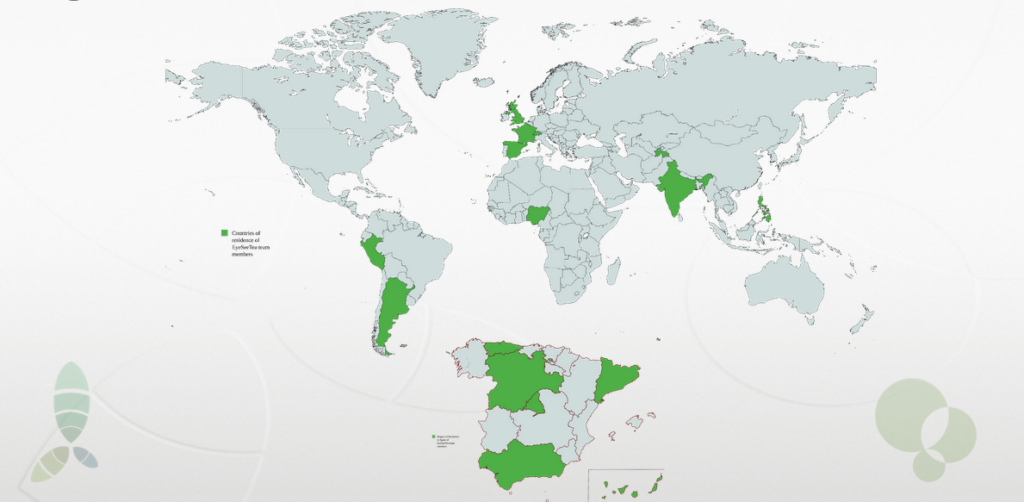
We finished 2024 with 24 people and started 2025 at 25. The team spans 10 countries across 4 continents and 6 time zones. Eight people were promoted during the year, which reflects both individual growth and a deliberate investment in seniority that makes the whole team stronger.
Internally, we continued developing the practices that make remote work genuinely sustainable: senior-junior mentorships, coding and metadata dojos, and improved internal communication with full transparency on budget and accounts. We also strengthened our onboarding and offboarding processes with a dedicated HR function.
If you want to understand the values and working model behind all of this, our ten-year reflection post covers it in detail.