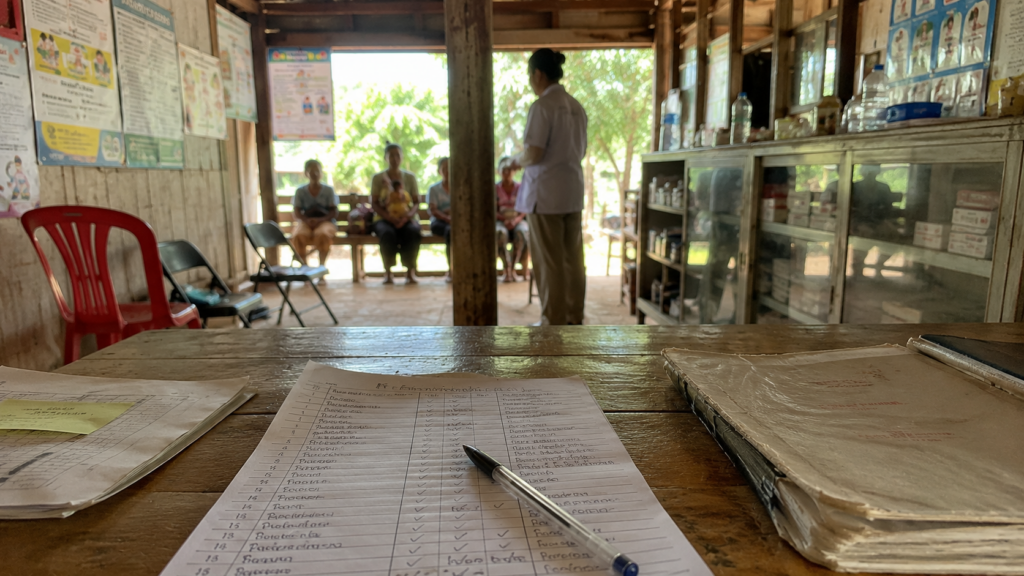
Knowing where malaria is spreading, which species, how patients are being treated, and whether the drugs are still there to treat them, is only possible if someone in a remote health facility has a way to record and transmit that information. In Myanmar, that someone was using paper.
This project came to EyeSeeTea through Knowtechture, a British technology company, who subcontracted us for the development work. The programme behind it was funded and run by Save the Children Myanmar, one of the organisations working across the country to give children a healthy start, access to education, and protection in some of the most difficult circumstances imaginable.
The reporting challenge in Myanmar
Myanmar presents a particularly complex environment for health data. Parts of the country sit outside direct government control, which means health service delivery and health information systems are fragmented across different actors, including international NGOs and their local partners. Until recently, health facility supervision visits were conducted using paper checklists, with all the delays and data loss that implies. Stock control of essential medicines, including antimalarial drugs, had no reliable real-time visibility, making it difficult for programme teams to anticipate shortages and direct aid where it was needed most.
The result was a significant blind spot precisely where it mattered most: the ability to track malaria cases in real time, understand how different species were moving geographically, and know whether the drugs required to treat those cases were available at the point of care.
An app built for the field, not the office
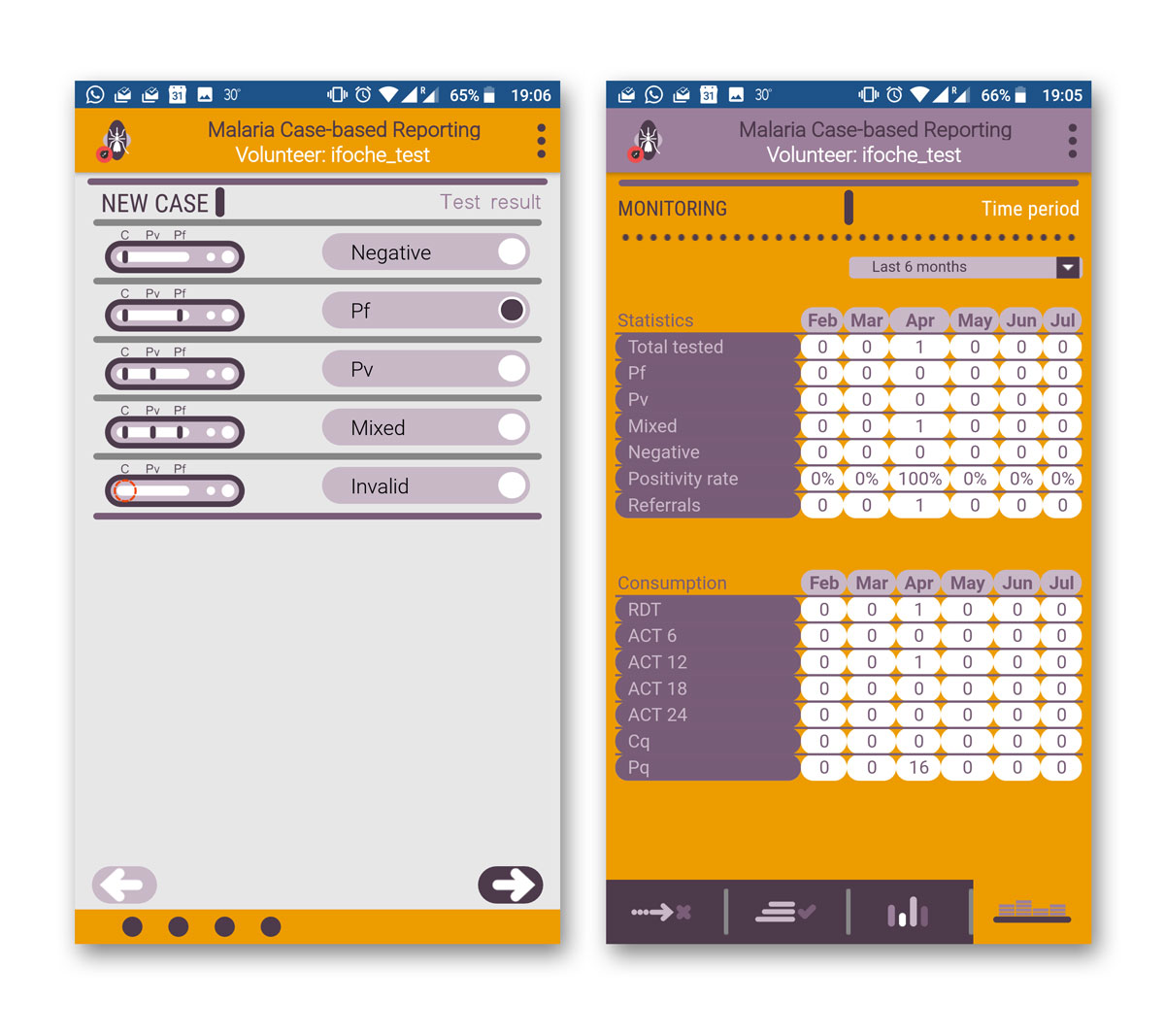
EyeSeeTea developed a malaria case-based reporting Android application built on DHIS2, the open source platform that has become the standard for health information management across low- and middle-income countries. The design choices were driven entirely by the realities of the field.
The interface is picture-driven, allowing it to be used by health workers with limited literacy in the most remote and isolated rural areas. This is a constraint most app developers never have to think about; for this project, it shaped every screen. The app functions fully offline, capturing data locally and synchronising with the DHIS2 server the moment a network connection becomes available, so the absence of reliable connectivity in the field never interrupts data collection.
Two features built on experience from our previous malaria apps in Laos and Cambodia were central to the Myanmar deployment:
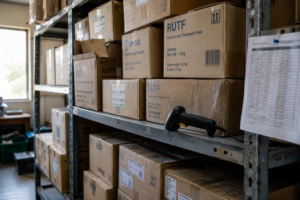
Drug stock control gives health facilities a way to report the real-time availability of antimalarial drugs. For programme managers at Save the Children Myanmar HQ, this meant knowing across all partner facilities where stocks were running low, before a shortage became a treatment gap.
Treatment-aid system guides health workers through the correct treatment decision for each malaria case, based on the patient data entered. In areas where clinical supervision is limited and the species of malaria presenting may vary, having that decision support embedded in the data entry process reduces the risk of incorrect treatment and improves the quality of the clinical record simultaneously.
Built on a shared foundation
Underlying the application is QuestMark, EyeSeeTea’s open source Android framework for building DHIS2-connected field applications. QuestMark handles the synchronisation layer, the offline storage, and the metadata-driven interface generation, so the development effort for each new deployment focuses on the programme-specific logic rather than rebuilding the same infrastructure from scratch. The Myanmar app is open source under GPLv3 and available on GitHub.
What changed on the ground
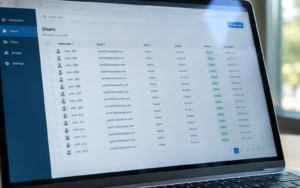
The application is deployed across all of Save the Children’s partner facilities in Myanmar, with data flowing to Save the Children Myanmar HQ. The results were visible quickly: a significant increase in real-time data availability for malaria elimination efforts, a reduction in the time facility staff spent on reporting, and better-informed decisions at the programme management level about where to focus resources and aid.
Those three outcomes are connected. When reporting takes less time and happens digitally, more of it gets done. When more of it gets done in real time, the people responsible for the programme can actually see what is happening while it is happening, and respond accordingly.
That is what data infrastructure is for.