In Tajikistan, according to 2023 Tajikistan Demographic and Health Survey, 14 per cent of children under five are stunted and 6.4 per cent are wasted, of which 1.4 per cent are severe wasted a form of acute malnutrition that therapeutic foods like F-75, F-100 and BP100 are specifically designed to treat. UNICEF has worked with the Ministry of Health and Social Protection of the Population (MoHSPP) for years to run the national Integrated Management of Acute Malnutrition (IMAM) protocol, the clinical pathway that gets these products to the children who need them.
The challenge
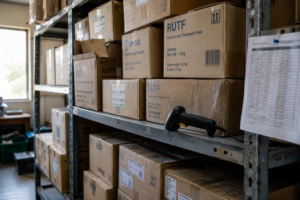
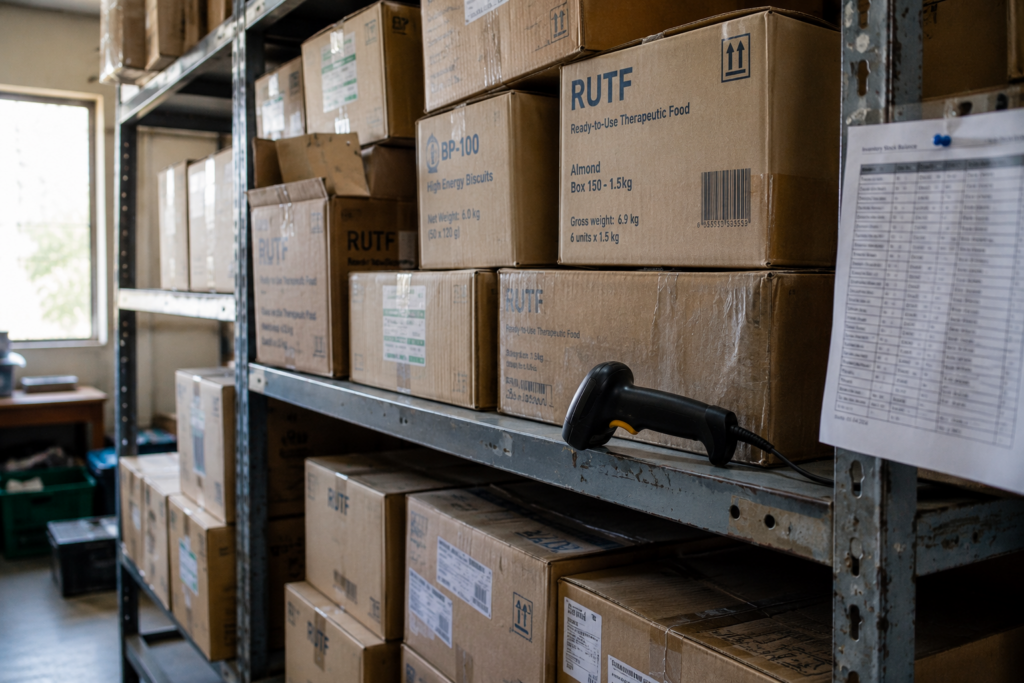
Nutrition commodities in Tajikistan travel through several levels of the health system before they reach the facilities where children are treated, and until recently that journey was tracked largely on paper, with requests, approvals and deliveries moving through manual forms and physical sign offs.
Keeping full, real time visibility over a paper-based, multi-level supply chain is a significant undertaking, particularly for commodities where expiry dates and batch level traceability matter as much as the treatment itself. UNICEF and MoHSPP wanted a system that could offer that visibility at every level, and go a step further by connecting what is dispensed to who receives it.
Stock data and treatment data also existed as two separate records. A facility could log a child’s admission for treatment and, in a separate process, log that commodities had left the shelf, without a direct link between the two. Bringing those records together, so that consumption could be tied precisely to the children being treated, was one of the goals UNICEF and MoHSPP set for this project.
The solution
We worked with UNICEF and MoHSPP to design a nutrition focused electronic Logistics Management Information System (eLMIS) that treats stock and treatment as two views of the same reality rather than two separate systems that happen to be run by the same ministry.
The system’s real innovation is not tracking where the stock is, but linking every unit of therapeutic food to the child it treats. Every treatment episode entered for a patient is tied to the specific batch of commodities used, so recording that a child received Therapeutic food automatically deducts that quantity from facility stock. Consumption data and clinical data stop being two separate reports that someone has to reconcile by hand, and become one and the same record.
To get there, the platform pairs two purpose built open source systems rather than stretching one tool to cover both jobs. DHIS2 is the source of truth for patient and treatment data. It records a child’s story from admission to discharge: the simple growth and nutrition measurements taken to diagnose malnutrition, every treatment visit that follows, and the final outcome, all following Tajikistan’s national treatment guidelines. OpenBoxes, an open source supply chain and inventory management system already used by health and humanitarian programmes in a number of countries, is the source of truth for everything related to inventory: batch and lot tracking, warehouse stock, and distribution between facilities.
Pairing OpenBoxes with DHIS2 reflects how we approach health information systems more broadly. Rather than stretching DHIS2 to cover logistics functions it was never designed for, we matched the inventory side of the project to a platform purpose built for supply chain management, while keeping DHIS2 focused on what it does best: patient and programme data. This project is one of the clearest examples yet of that approach, and of the fact that our work with global health organisations increasingly spans open source tools beyond DHIS2 itself.
Facility staff do all of their data entry through the DHIS2 Android App, a design choice that matters in a country where rural facilities cannot count on reliable connectivity. Data is captured offline and synced automatically once a signal is available.
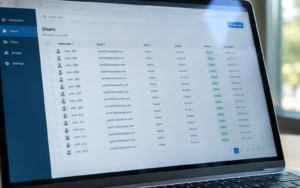
The redesigned workflows replace paper with something closer to a live map of the supply chain. Allocation decisions are now made from a dashboard showing real time stock and demand, rather than waiting for paper requests to physically arrive, and shipments are confirmed by scanning a QR code at collection so stock is deducted from OpenBoxes on the spot instead of days later. Every commodity is tracked in OpenBoxes by batch and lot number, following FEFO (First Expired, First Out) rules to release the oldest stock first and reduce expiry driven waste. If a batch does need to be pulled for safety reasons, it can be recalled directly in the system, and every facility holding that lot is automatically flagged and blocked from dispensing it further, work that used to mean tracing paper trails by hand.
There are also safeguards built directly into the clinical workflow. If a child presents with one of the medical complications defined in national protocols, the system enforces a referral to hospital and blocks further commodity dispensing until that referral is recorded, so a step that depended on staff remembering the protocol under pressure now depends on the system enforcing it.
The impact
For facility staff, receiving a shipment now means scanning a barcode rather than transcribing details into a ledger by hand, and dispensing therapeutic food updates stock automatically instead of waiting for a monthly report to catch up. For managers at every level, a dashboard replaces the guesswork of phoning around to find out who has stock and who is close to running out, so allocation decisions can be based on what facilities actually have and actually need, rather than what was reported on paper weeks earlier.
Perhaps most importantly, the system finally connects the two questions that matter most in a nutrition programme: where the stock is, and how it is being used, for whom, and with what outcome. That link is what turns a logistics system into a tool that can genuinely support the children the IMAM protocol was designed to reach.